Introduction
When someone considers studying graphic design, one of the first questions that arises is what the actual career prospects are. For years, this discipline has been associated with the creation of logos or isolated visual elements. However, today, graphic design has established itself as a strategic tool within contemporary communication (AIGA, 2023).
In a visually dominated environment, brands need to stand out, communicate clearly and create consistent experiences. In this context, the graphic designer plays a key role, not merely as an executor, but as a professional capable of conceptualising, structuring and conveying visual messages with purpose.
The graphic designer today: from executor to visual strategist
The contemporary graphic designer acts as a visual communicator who translates complex ideas into clear messages. Their work is not limited to aesthetics, but involves understanding the user, the context and the communication objectives.
As Norman (2013) argues, design must be people-centred, facilitating interaction and understanding. In this vein, user experience (UX) broadens the scope of graphic design to encompass the creation of meaningful experiences, in which usability, accessibility and emotion play a key role (Hassenzahl & Tractinsky, 2011).
This represents a significant shift in the professional profile: designers are no longer merely executors but have become strategic agents within communication and product development processes (Barnes et al., 2022).
Main career opportunities in graphic design
One of the key strengths of graphic design is its versatility. Below, we outline some of the most relevant professional fields today.
Branding and visual identity
Visual identity design involves creating a brand’s graphic system: logo, typography, colour scheme and applications. This process aims not only to create an appealing aesthetic, but also to convey the brand’s values and positioning.
According to Wheeler (2017), a well-developed brand identity enables brands to stand out and build recognition in highly competitive environments. In this context, the designer acts as a visual interpreter of the brand strategy.
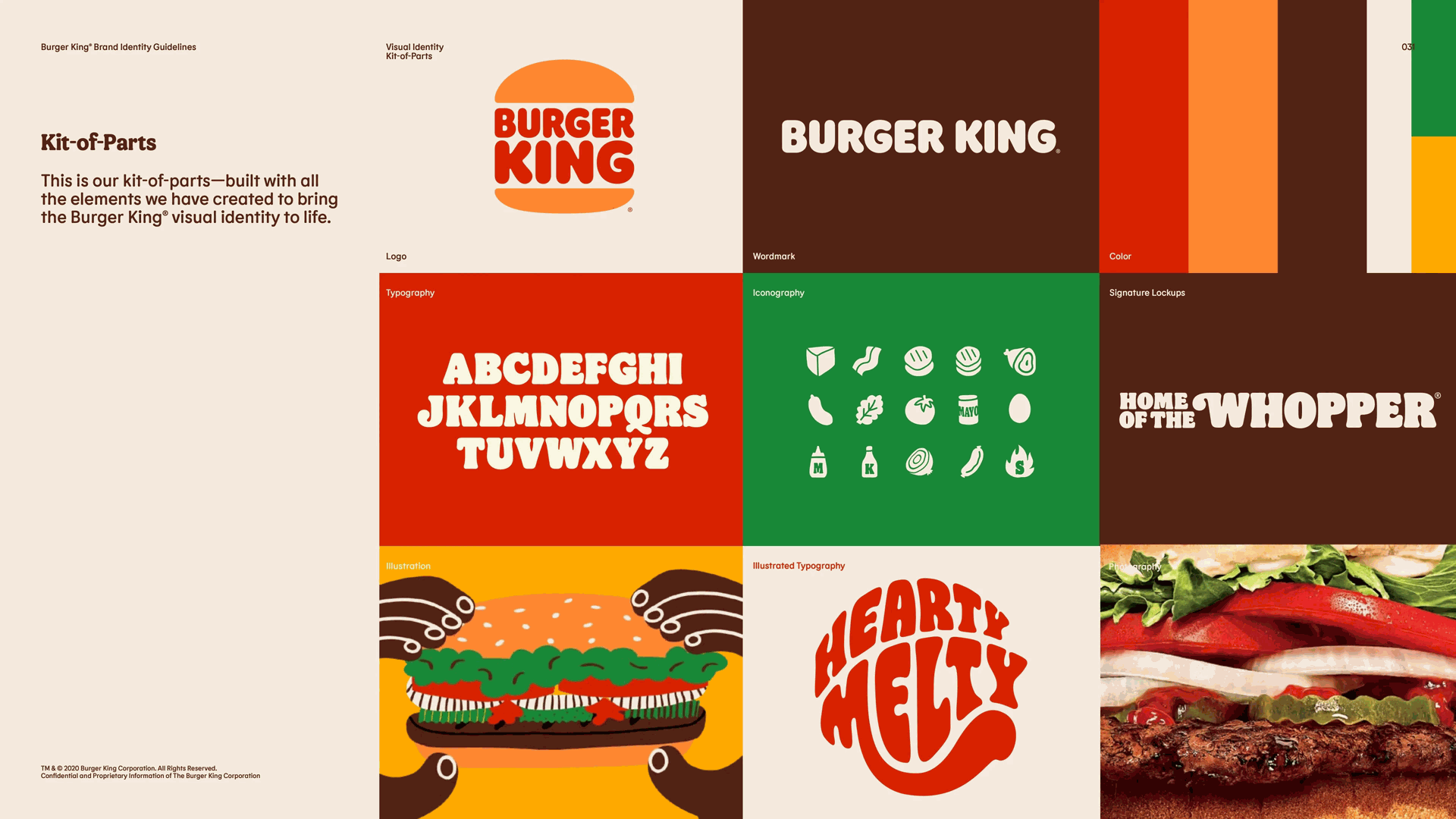
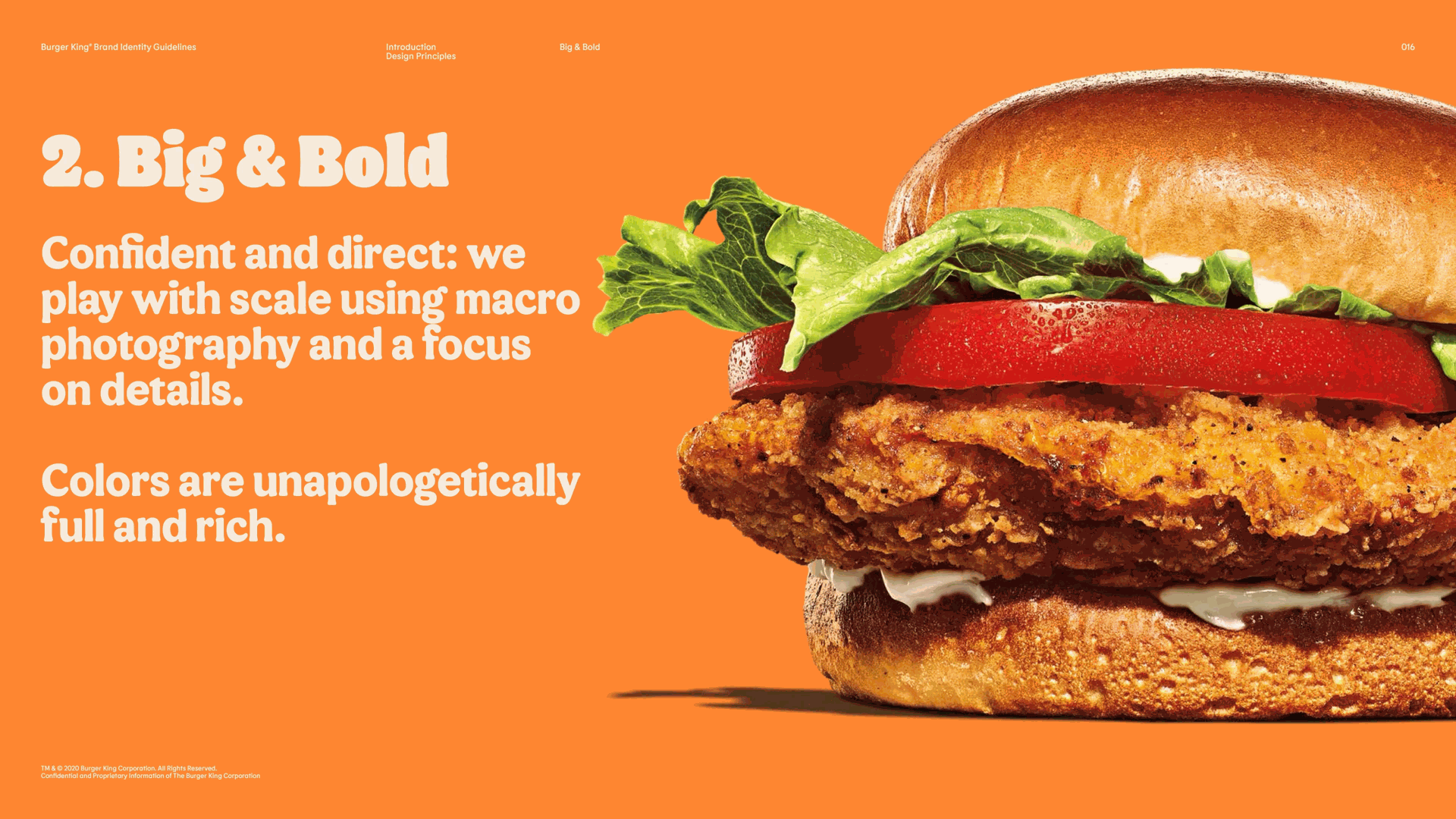 Figure 1. Images from the Burger King Branding Book
Digital design and UX/UI
The growth of the digital environment has driven demand for designers specialising in user interfaces. UX/UI design focuses on creating intuitive, accessible and consistent experiences in digital environments.
Krug (2014) points out that good design should be self-explanatory and eliminate friction in the interaction. In this sense, the designer not only organises visual elements, but also structures the user experience (Cooper et al., 2014).
Furthermore, standards such as ISO 9241-210 (ISO, 2019) underscore the importance of user-centred design as the foundation for the development of digital products.
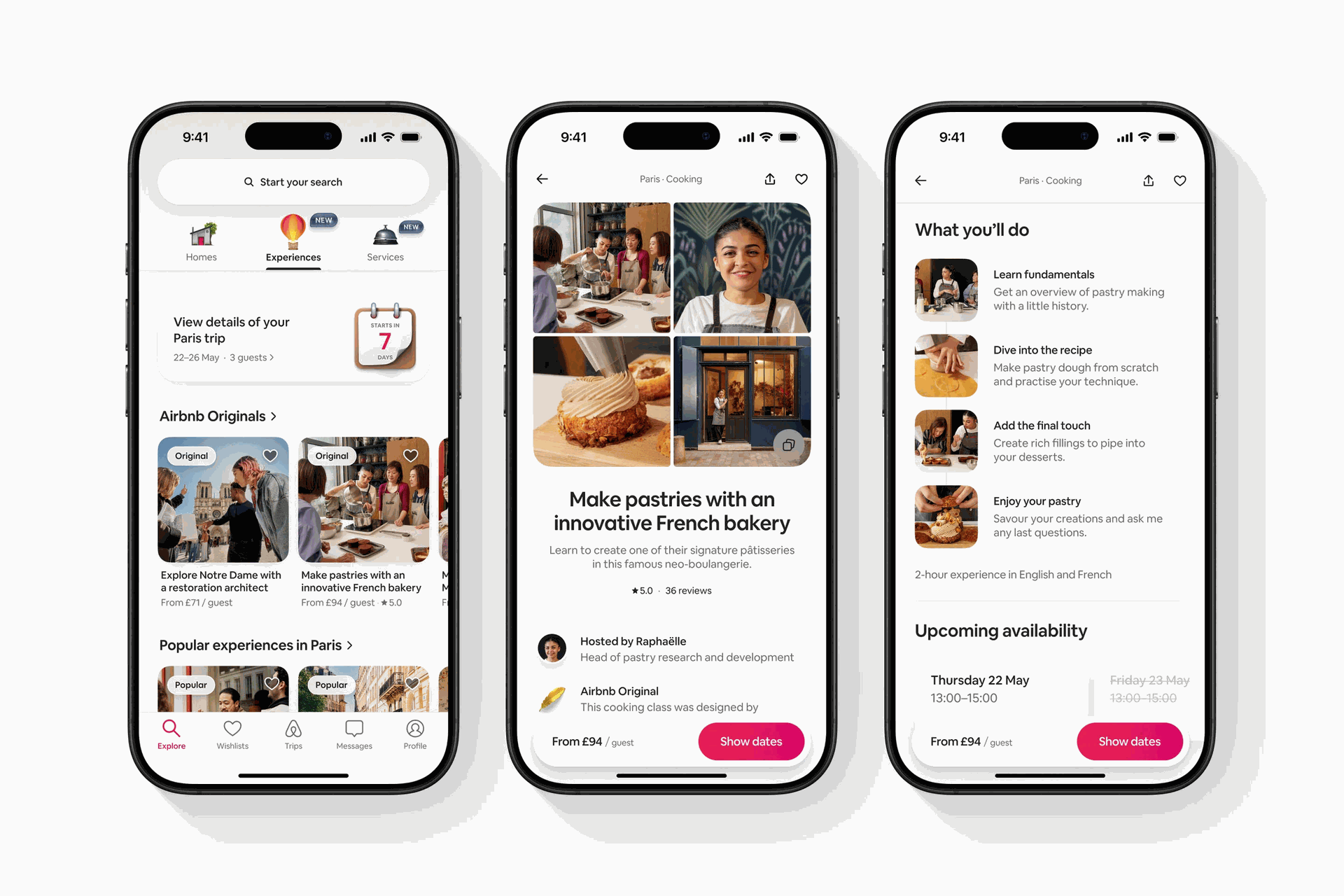 Figure 2. Redesign of the Airbnb app.
This role combines visual design with an understanding of user behaviour, making it one of the most sought-after roles at present.
Social media and digital content design
Social media has redefined the role of graphic design. Brands need to produce a steady stream of content that maintains visual and narrative consistency.
Designers play a part in creating visual systems that can be adapted to multiple formats, where speed of consumption and clarity of message are essential. In this context, design is not an isolated element, but part of an ongoing communication strategy (Carpio-Jiménez, Suing, & Ordóñez, 2024).
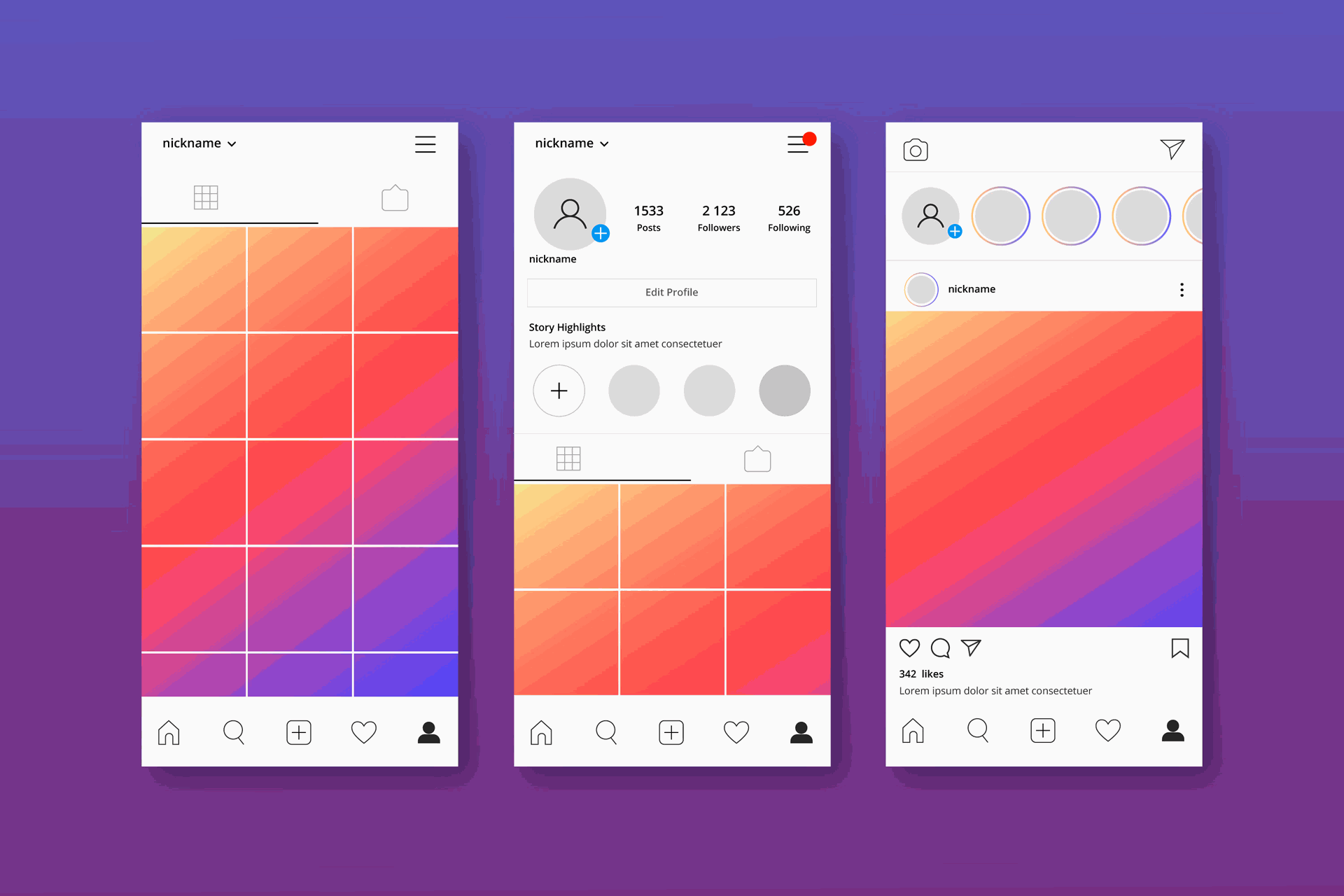 Figure 3. Interface design for Instagram. Freepik.
Motion graphics and audiovisual design
Motion design has established itself as one of the fastest-growing sectors. The integration of animation, video and graphics enables more dynamic communication and helps capture the user’s attention.
This type of design combines visual storytelling, rhythm and technology, expanding the expressive possibilities available to graphic designers in digital and audiovisual environments.
 Figure 4: Coca-Cola motion graphic.
Packaging and editorial design
Despite the dominance of digital media, design applied to physical formats remains relevant. Packaging, for example, has a direct influence on how a product is perceived and on the decision to purchase.
On the other hand, editorial design organises information and makes it easier to read, integrating typography, imagery and structure. As Tufte (2001) points out, visual clarity is essential for the effective communication of information.
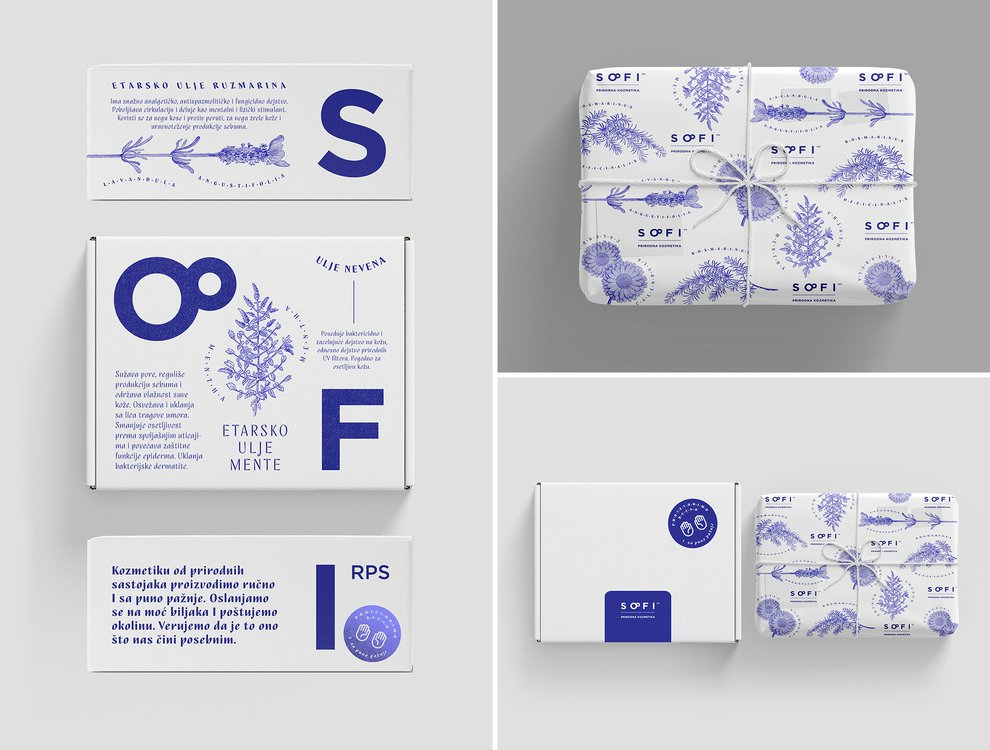 Figure 5. Sofi cosmetics packaging designed by Milica Pantelić.
Art direction and strategic profiles
With experience, designers can progress into roles such as art direction, where they define the visual style of campaigns and coordinate creative teams.
At this level, the work focuses on conceptualisation and supervision, ensuring the visual and strategic coherence of projects.
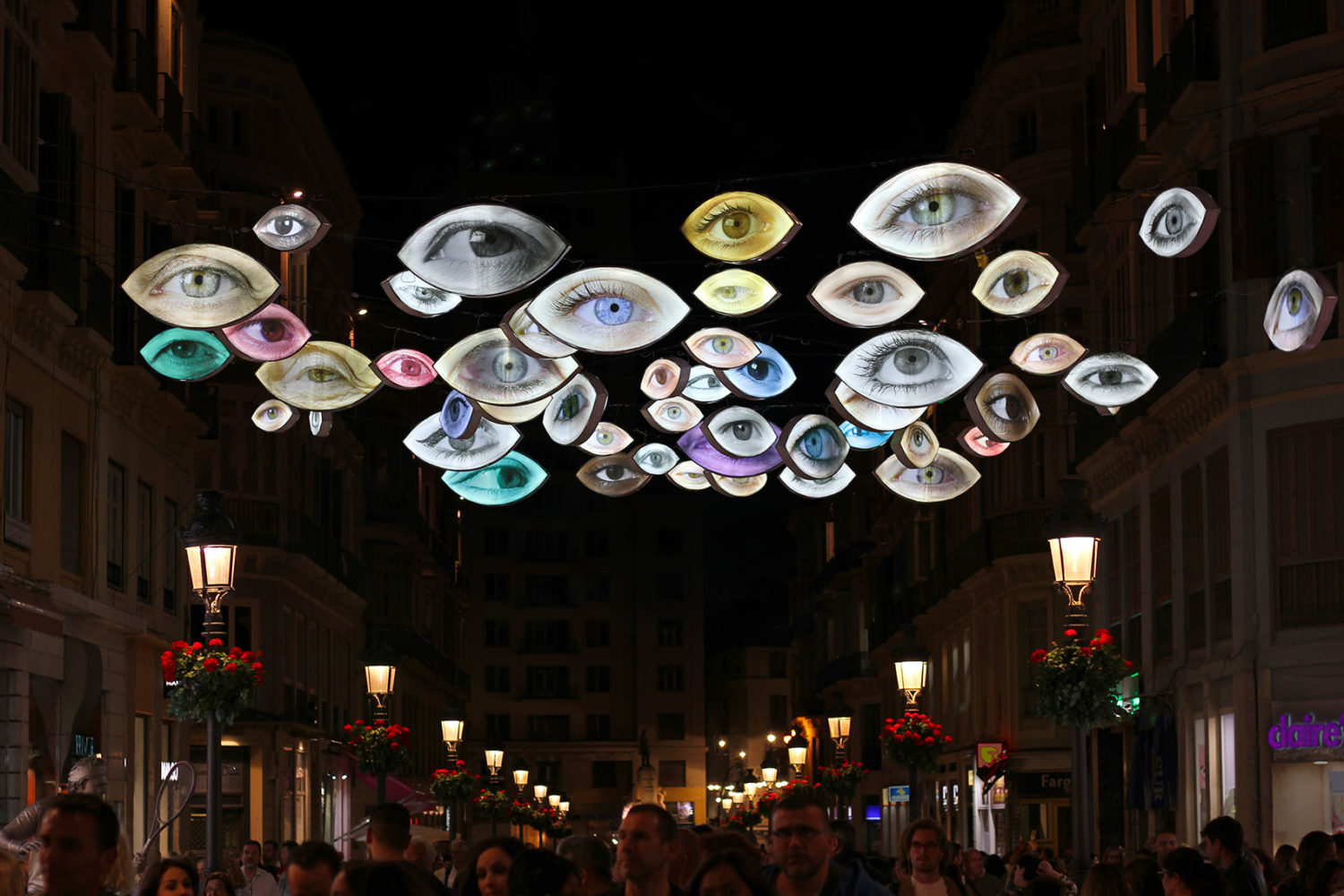
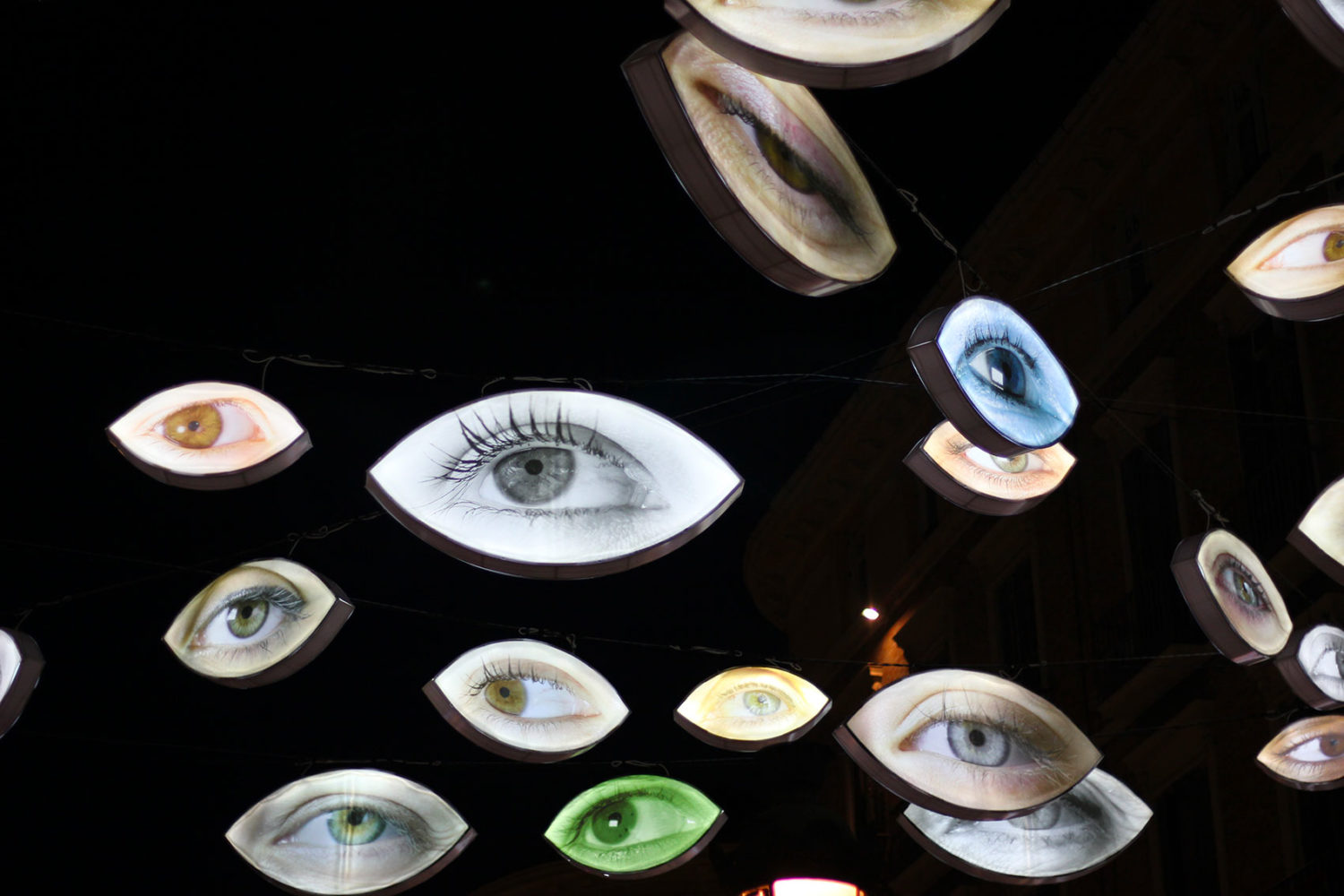 Figure 6. Temporary Installation Miradas de mujer (Women´s perspective) for La Noche en Blanco 2018 (Sleepless night 2018) by La Madre de los Beatles.
These roles are common in advertising agencies, design studios and communications departments:
Freelancing and creative entrepreneurship
Freelance work is a common option in the field of graphic design. Building a personal brand and a strong portfolio enables designers to establish themselves in the market and manage projects independently.
This role requires not only creative skills but also expertise in communication, management and professional strategy.
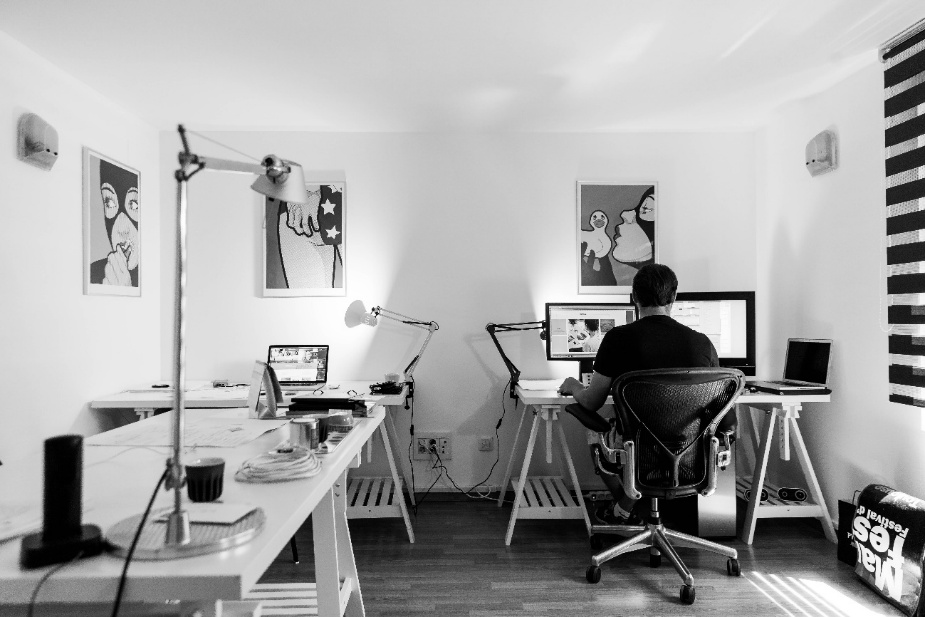 Figure 7. Image from Pixabay.
The most in-demand roles in 2026
The graphic design job market is evolving towards hybrid roles that combine creativity, technology and strategy.
Companies are looking for professionals who understand the digital landscape, work across disciplines and add value beyond technical implementation. In this regard, critical thinking and the ability to adapt are becoming key skills.
Graphic design in today’s world: a growing discipline
Technological development and digitalisation have significantly expanded the scope of graphic design. The emergence of new tools, including artificial intelligence-based systems, is transforming working processes.
However, far from replacing the designer, these advances underscore the importance of judgement, conceptualisation and the ability to make meaningful visual decisions (Huang et al., 2023).
What should you study to pursue these career paths?
To access these career opportunities, training that combines theoretical foundations with practical application is essential.
Learning visual language, mastering digital tools and carrying out projects help to build a solid foundation. Furthermore, a strategic approach and an understanding of the user are key elements in the modern designer’s training.
Conclusion
Graphic design is a constantly evolving discipline, offering a wide range of career opportunities, from branding to digital design and art direction.
Far from being a narrow field, design has established itself as an essential tool in contemporary communication. Understanding its potential enables you not only to choose a course of study, but also to begin building a coherent professional identity right from the start.
Bibliografía
AIGA. (2023). Design POV: An in-depth look at the design industry now. AIGA, the professional association for design. https://www.aiga.org/sites/default/files/2023-01/2021_DesignPOV_FinalReport_01302023.pdf
Barnes, C. (2022). Portfolio literacy and the transition to work for graphic design graduates. International Journal of Art & Design Education, 2(41), 300-319. https://doi.org/10.1111/jade.12407
Carpio-Jiménez, L., Suing, A., & Ordóñez, K. (2024). El diseño visual en la comunicación de las marcas en Instagram. VISUAL Review, 16(8), 1-14. https://doi.org/10.62161/revvisual.v16.5317
Cooper, A., Reimann, R., Cronin, D., & Noessel, C. (2014). About face: The essentials of interaction design (4th ed.). Wiley.
Hassenzahl, M., & Tractinsky, N. (2011). User experience: A research agenda. Behaviour & Information Technology, 25(2), 91–97. https://doi.org/10.1080/01449290500330331
Huang, D., et al. (2023). A survey on AI and graphic design. arXiv. https://doi.org/10.48550/arXiv.2309.01371
ISO. (2019). ISO 9241-210: Human-centred design for interactive systems. International Organization for Standardization.
Krug, S. (2014). Don’t make me think, revisited: A common sense approach to web usability (3rd ed.). New Riders.
Norman, D. A. (2013). The design of everyday things (Revised and expanded edition). Basic Books.
Tufte, E. R. (2001). The visual display of quantitative information. Graphics Press.
Wheeler, A. (2017). Designing brand identity (5th ed.). Wiley.
SEO recommendations:
Key search terms: career opportunities in graphic design, what does a graphic designer do, graphic design jobs, career prospects in graphic design, studying graphic design and career opportunities, graphic design jobs in 2026.
Secondary keywords: graphic designer profiles, graphic design job opportunities, the future of graphic design, digital graphic designer, the graphic design job market, graphic design skills, creative professional profile.
Areas of specialisation: brand design, corporate visual identity, strategic branding, UX/UI design, user experience design, digital interface design, social media design, visual content for brands, graphic design for Instagram, motion graphics, digital audiovisual design, packaging design, editorial design.
Strategic keywords aimed at attracting students: studying graphic design in Spain, bachelor’s degree in graphic design, graphic design school, where to study graphic design, graphic design training.
Sara Escudero